Sunday, 30 April 2017

Chalk Walk Fail

This morning at 10am we met to do the sidewalk chalk test, to see if people would utilise a crossing.


We cut a footstep stencil out, and added coloured stripes to the ground with spray chalk. We then set up a time lapse to capture people using the crossing.
However, apart from a few people who were going in the right direction to use our crossing, literally everyone else simply was not going the right way to even consider using the crossing. Most people just walked over it because they were going the opposite way! That was an oversight on our part.

But the people going the right way did in fact use it, so that was a partial success.

I will return tomorrow morning before class to see if any early classgoers use our crossing if they are approaching from the right direction to use it.


Tuesday, 25 April 2017

Week 7

For week 7's class, we presented to a few groups, and we discussed the way forward for this project. We are quite close to being finished and the only thing left to do is prototype.
My job for the next week is to examine other stylistic choices for the crossing, including fonts.

Background


Patterns
Screen Shot 2017-04-22 at 4.09.06 pm.pngScreen Shot 2017-04-23 at 11.55.01 am.pngScreen Shot 2017-04-25 at 8.45.44 pm.pngScreen Shot 2017-04-25 at 8.46.02 pm.pngScreen Shot 2017-04-25 at 8.37.21 pm.pngScreen Shot 2017-04-23 at 12.02.25 pm.pngScreen Shot 2017-04-25 at 8.46.15 pm.png

Mock Ups

Triangular mockup


Rectangle 

pattern crossing.jpggrey-bg.pngcuba-pattern.png
We decided to move forward with the rectangular design, just because it already fits into the language of a zebra crossing (rectangular) rather than the triangular one which could become confusing as it is less familiar. 
Other Styles We Could Look At

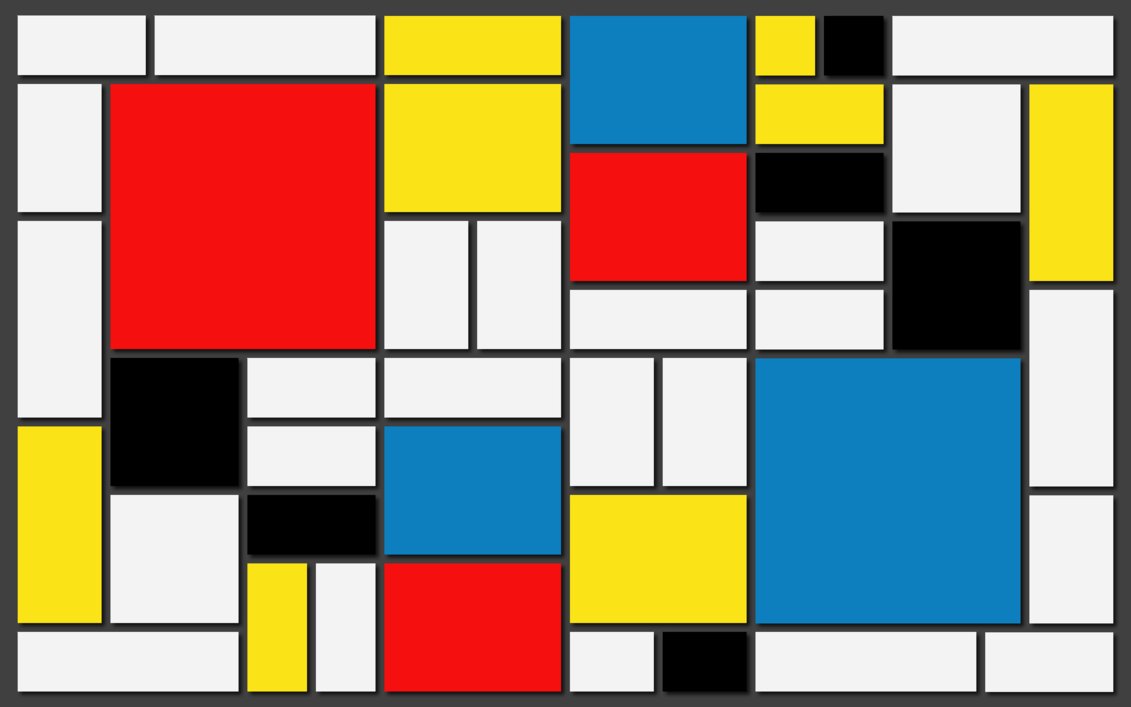
Thomas mentioned that our design looked quite like Mondrian... look at famous Wellington artists also?

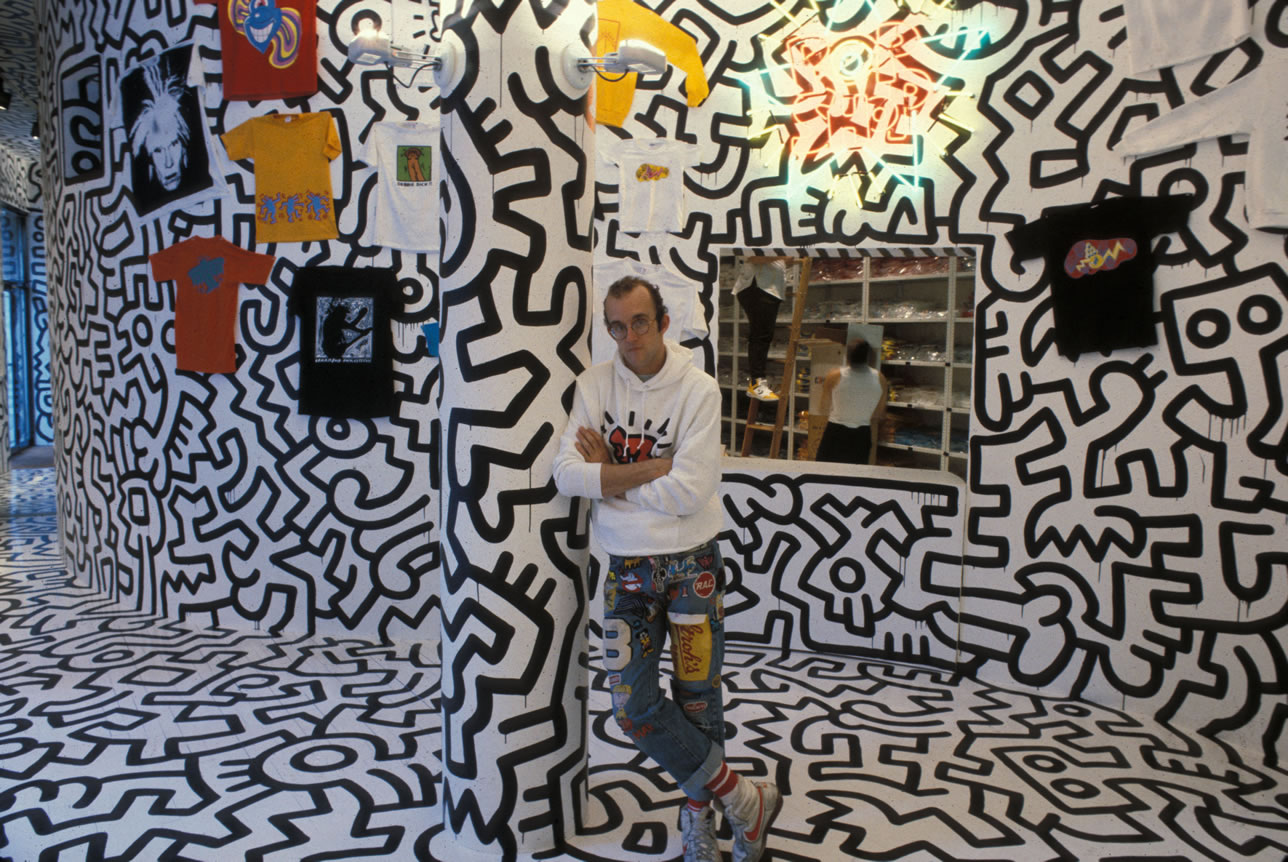
Keith Haring


Very chunky art, good in a spatial/outdoor setting because of how bold, colourful and outlined it is. 

Mondrian


Tuesday, 18 April 2017

Precursor for Week 7 - Concept developments


Precedent

Working on a modular grid of patterns to create a more creative and appropriate zebra crossing for Cuba St- Manners St. Using patterns based on the history of Cuba St - it was actually named after a boat, and so we are using boat related and watery patterns on our grid. 
Combining with big letters of type to provide context to the crossing. 

Some patterns we are working on - 


Wednesday, 5 April 2017

Crossings + Visual Identity

Researching crossings around the world.


Tbilisi, Georgia


Santiago, Chile


Detroit

Road markings seems like a really good way to define a shared space and even give some domain back to pedestrians...


one with a crazy colour variant just to see


Tuesday, 4 April 2017

Week 6 Presentation and Notes

https://docs.google.com/presentation/d/1JSm5lYN2-Rnhrxi0_LYMjZoGWKCI1J__8nq55M6gLok/edit#slide=id.gcb9a0b074_1_0


The Issue


  • The Golden mile is one of the most dangerous roads for pedestrians in Wellington City
  • With buses, cars and high foot traffic all sharing the road
“Pedestrian crashes along the Golden Mile are much higher than other routes in the Greater Wellington region or around New Zealand. While this is unusual, it is also a reflection of the attractiveness of the route for travel by walking and public transport.”
- Wellington City Council


Typographic Seat Variation 1


Typographic Seat Variation 2

Walking Man

What next?


  • Addressed the issue of
    “Where” - our typographic objects “herd” the pedestrians to the correct places
  • Next issue to be addressed could be “When” - helping pedestrians cross at the right times.

Got completely torn apart in critique, LOL, notes include:

  • Do people even want to sit there? 
  • Furniture being visible from all angles - whether its more of a sculpture than street furniture
  • Showing how users use the space
  • Apparently we can touch the road after all.. so look at what we can do with the road
  • Connecting to the idea of crossing, making it inviting vs making them "not" do something... 
A lot more research required they said - we should interview the council and ask them about why that street is the way that it is. Take into account existing poles and weird parts etc, why are they like that? More research on other countries and "pedestrian centred cities" how we can make that part of the road more pedestrian friendly less bus friendly. And look into a cool sculpture for the aforementioned purpose and how it appears to cars and stuff - reflect Cuba street culture and aesthetic.


To do list going forward (in the holidays):


  • Ask council about current state of road and what we are allowed to implement, what would be most helpful for them maybe...
  • Character of cuba street - researching cuba and developing an aesthetic, lots of precedents
  • mapping out the chain - looking at peoples movements and how our chain can direct them
  • the idea of inviting people across the road - what strategies can we use with type to create a pedestrian crossing - something that works to notify both buses and cars
  • Making that area pedestrian priority - buses and cars need to slow down - how can we make them do this using spatial type.. How other cities are "pedestrian centered" vs Wellington. 
  • Looking at pedestrian and car perspective on anything we implement


Sunday, 2 April 2017

Presentation for Week 6 and Precedent Solutions

Site Photos

Main sculpture on Cuba side - typographic seats that block off pedestrians from jaywalking on that part of Manners St. We decided that this, plus one other precedent on the other side, encourages pedestrians enough to stay off the parts of the road not meant for them.


Second iteration - considering the addition of lights so that it remains functional at night, and people don't bump into it.